AI and Changes in SEO

We’ve written previously about the emergence of the next level in Search Engine Optimization – SEO+, using AI Optimized strategies that help improve your online presence through strategic content creation, keyword optimization, directory listings, and more to help your website show in organic search results.

Google’s AI overviews first rolled out in 2024, providing AI-generated summaries pulled from news articles or other sources on the web.

While these overviews appeared on only 6.5% of searches in January 2025, by May of this year they showed up on nearly 20%. It’s becoming more prevalent that the old rules no longer apply when it comes to showing up in front of internet users, and there is a relearning process across the board.

This has led to many businesses seeing drops in their organic traffic, and it’s possible that we may see a convergence of paid and organic media over the coming months and years. While they were once seen as separate, organic is going to be influencing the future of paid ads since Google will try and drive what gets revenue.

However, there are still strategies that can help organic traffic and placement. Refreshing website content at least once a month and adjusting content based on the information people are looking for can encourage users to click through. Building and strengthening structured data can also lead to improved search results.

Keeping up on current digital trends can be tricky, but SEO+ can help fill in the gaps by evaluating content on your website and making recommendations, cleaning up the technical backend of your website, and help build your web presence.

Video Trends

Our video team recently attended a virtual seminar about trends in the video landscape and learned some great information about the changes of video in marketing!

95% of marketers reported that video content has played a crucial role in boosting their brand visibility, so video has really gone from being an afterthought to a pillar of content strategy.

A 2024 study showed that 81% of consumers want more short-form videos from brands! Video can also provide more of an ‘instant gratification’ for users who prefer to watch visually instead of reading text.

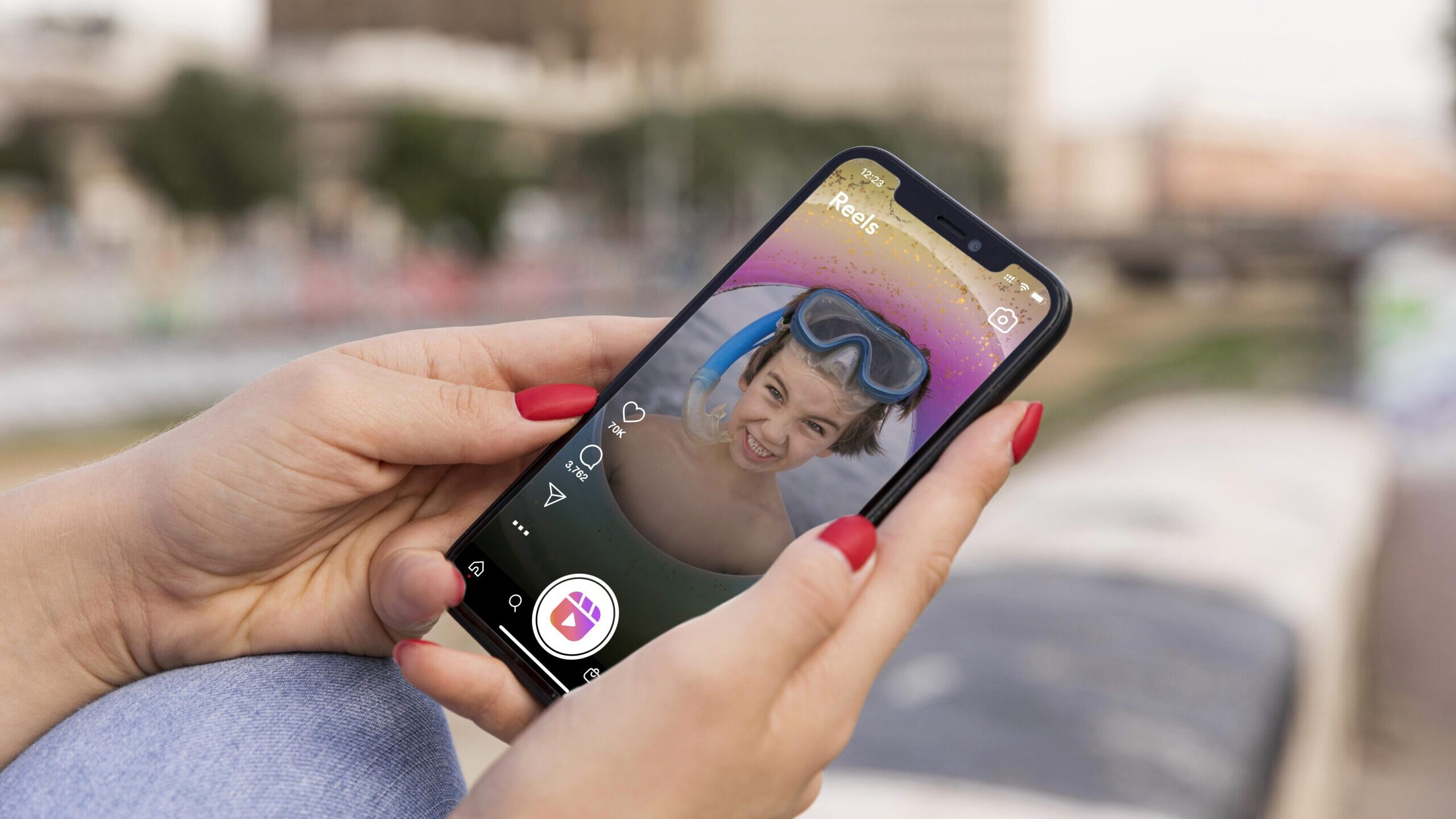
The importance of vertical video is also growing – vertical is a more comfortable and natural format for many users (in alignment with mobile phone usage), and it also provides a more candid feeling.

Video is a crucial part of your marketing plan – CSM has a video production team to film and edit stunning visuals to accompany your messaging!

Back to Basics was our guiding mantra for 2025. At Central States Marketing, our foundation is built on respect, innovation, teamwork, disruption, and support. As we plan for 2026, we’re reflecting on the progress we made under that theme and carrying forward its focus on the essentials — staying grounded, energized, and ready to seize the opportunities ahead.

In today’s fast-paced world, it’s easy to get caught up in the constant motion and forget to pause, reset, and plan with intention. Back to Basics gave us the space to simplify, realign, and focus not just on how we work internally — but how we serve you, our clients. Too often, the “service” side of business is overlooked.

This year, we made a conscious effort to return to the fundamentals of being true partners, not just vendors. That meant picking up the phone instead of sending another email, prioritizing face-to-face meetings instead of relying solely on virtual meetings, showing up to celebrate your wins, and being present to support your initiatives. These moments of connection reminded us that while technology is powerful, real relationships are what drive meaningful results.

Internally, Back to Basics also inspired us to strengthen our own team connections. From half-day Fridays in the summer to team outings, monthly birthday celebrations, and our Star of the Month program, we’ve built traditions that recognize and support the people who make our work possible. We also celebrated our 25th Anniversary and carried on our five-year tradition of traveling together for some fun in the sun— a reminder of the value of stepping away, reconnecting, and returning energized.

Looking ahead to 2026, we know there will be new challenges and new opportunities. By going back to basics — simplifying where we can, focusing on what matters most, and investing in both our clients and our people — we’ll be ready to meet the year with clarity, energy, and purpose.

Simplify Your Marketing

Sometimes the best results come from going back to basics. Here are three quick ways to simplify your marketing:

  • Revisit your Brand Visuals
  • Simplify Your Call-To-Actions
  • Repurpose Your Top-Performing Content

Let’s continue building together. We’d love to hear what’s ahead for you in 2026 and explore how we can support your initiatives, celebrate your milestones, and help turn your goals into reality.

Influencer Marketing

Influencer marketing is a subset of social media marketing, involving collaboration with influencers to promote brands or products. It combines ‘celebrity’ endorsement with the power of social media to leverage the trust and credibility influencers have built with their followers.

Influencers are categorized based on their follower count.

– Nano: 1,000 – 10k followers; they leverage a small but highly engaged audience
– Micro: 10k – 100k followers; often have a niche following and are known for their authenticity.
– Macro: 100k – 1m followers; they have a larger audience and can reach a broader demographic.
– Mega: Over 1m followers; typically celebrities or well-known figures with vast reach.

Utilizing nano and micro influencers allows for a high-scale program to generate instant buzz and rapid visibility by sharing on their story. Stories are one of the most engaging formats on social media, making them a powerful tool for brands looking to drive awareness and conversions. It also allows companies to test influencer marketing in a more scalable way.

If you’re ready to explore the world of influencer marketing, our team is here to help guide you in the right direction!

Social Media Security and Safety

In today’s world, social media security is crucial for protecting both personal and organizational information and preventing financial and legal repercussions.

The first step is to use a strong, unique password that’s different from your other online accounts. It should be difficult to guess and should be changed or updated regularly

Next, set up two-factor authentication (2FA). This adds another layer of security by requiring a one-time code when logging in from an unrecognized device. Authenticator apps like Google Authenticator, Duo, or LastPass help enhance the security for an account.

Make sure the email address linked to your social media accounts is up to date, and review third-party permissions and make sure that anyone who has access to your social media data is still relevant and valid. Remove permissions when people leave your team.

Lastly, be cautious of messages or emails that ask for personal information or account details. For example, Meta will not contact you on Messenger about account security. Before responding to any message asking for that information, first confirm that it is a legitimate request either by contacting the company directly or reaching out to your marketing provider for further details.

By safeguarding against cyber threats like hacking and phishing, you can protect both yourself and any business assets from the seedier side of the internet.

A prospective student visits your university’s website at 11:23 PM. She’s trying to figure out which majors match her career goals, whether scholarships are available for out-of-state students, and how soon she can apply. She opens the chatbot. It responds with a list of links and a vague answer. She clicks away. You’ve just lost a potential applicant—not because of your programs or reputation, but because the digital experience didn’t meet her expectations.

Today’s students are digital natives, raised on seamless, on-demand experiences. They expect the college search process to feel intuitive, personal, and immediate. Yet, most admissions and marketing teams are operating with tools designed for a different era—forms, drip campaigns, and FAQs that assume students will do the work to find the information they need. In an increasingly competitive enrollment landscape, that assumption is costing institutions real prospects.

That’s where next-generation AI comes in—not as a flashy gimmick, but as a strategic extension of your admissions team.

Meeting Students Where They Are

AI isn’t just about automation—it’s about amplification. With the right AI tools, colleges can engage students through intelligent, real-time conversations that feel personal, responsive, and helpful.

Imagine and AI assistant that:

  • Speaks Multiple Languages: Supports first-generation and international students
  • Answers Nuanced Questions: About programs , scholarships, deadlines, or housing—24/7
  • Collects Insights: What prospective students are most curious about
  • Proactively Nurtures: Interest by sending reminders, content, or guidance based on behavior and questions
  • Integrates with your CRM: Tailors conversations to individual students—so when the high school star quarterback asks about athletics, the AI highlights your championship-winning football program, game day tailgates, and the community pride behind your team

Instead of static chatbots, we’re now seeing dynamic AI tools that act more like student concierges—offering not just answers, but direction.

A Force Multiplier for Admissions and Marketing

Admissions offices are under pressure to do more with less. Fewer staff. Fewer visits. More scrutiny. AI offers an opportunity to scale your outreach without sacrificing personalization.

  • Increase inquiries and applications by giving students instant answers—24-7.
  • Identify trends in student interest, allowing marketing teams to adjust messaging in real time.
  • Reduce call volume to overburdened admissions teams.
  • Improve equity by ensuring consistent access to information, no matter when or where a student asks.

It’s not about replacing staff—it’s about freeing them up to do what they do best: build relationships.

What This Means for the Future of Recruitment

The most competitive institutions tomorrow won’t just have the best programs. They’ll have the best experiences. AI allows schools to create friction less, student-first journeys that meet modern expectations. The future of enrollment isn’t just digital—it’s intelligent.

As we look ahead, colleges that integrate AI thoughtfully into their recruitment strategies will stand out not just for what they offer, but for how they make students feel seen and supported from the very first interaction.

try demo learn more

Smart Advertising for Every Business

YouTube TV isn’t just changing how people watch — it’s changing how smart businesses advertise. With more than 8 million subscribers and growing, YouTube TV combines the reach of traditional television with the precision of digital targeting, making it a powerful platform for businesses of all sizes. Unlike traditional TV, YouTube TV allows you to target your ideal audience by both location and purchase intent. Whether you want to reach viewers in a specific ZIP code or people actively searching for services like yours, YouTube TV gives you the tools to connect in a more meaningful — and measurable — way.

Advanced Targeting Options

YouTube TV pulls data from both YouTube and Google searches to build custom audience segments, including:

Geographic Targeting: Reach by city, ZIP, or radius

Demographics: Age, gender, income, parental status

Interests & Life Stages: Like homeowners, college students, or new parents

In-Market Audiences: Users actively researching specific products or services

Search-Based Targeting: Serve ads based on recent search activity. For example, a local auto shop can target users searching for tire repair near them, while a university can reach those researching nursing programs.

Why It Works

  • The average U.S. adult spends 48 minutes a day on YouTube.
  • Mobile YouTube ads are 84% more likely to capture attention than traditional TV.
  • 90% of viewers discover new brands on YouTube

YouTube TV offers a dynamic, engaging platform that drives both brand awareness and action. It’s especially valuable for local and regional businesses looking to reach high-intent audiences with efficient, targeted ad spend.

With increasing changes to the search results page (such as AI overviews) and increasing advertising costs, it can be difficult to evaluate the search landscape.

However, paid search marketing is still one of the most popular digital marketing channels for businesses. A recent survey showed nearly half of SMBs (small and midsize businesses) are planning to invest more in paid search efforts this year.

The Big Picture

Search marketing costs have been increasing year over year since 2021, and the latest data shows a continuation of this trend. However, cost per lead has not seen as drastic of an increase for 2025 as it did from 2023 to 2024, indicating a bit more stability in the paid ad space.

Some industries, such as Education and Beauty/Personal Care, have seen more substantial increases overall due to crowded and unstable search page conditions, plus increased competition.

However, although ad costs have gone up, so have Click Through Rates (CTRs) and conversion rates, indicating generally better performance as a whole. Nearly half of advertisers have seen stable or increased Click Through Rates, and 65% of industries saw an increased conversion rate. Despite rising costs, paid search ads are still effective at driving leads and increasing traffic to the advertiser’s website.

Flexibility Is Key

These variables make budgeting an art, not a science. There are unpredictable factors that may or may not impact budgets and performance. With the new normal of economic volatility as well as industry-specific factors, it can be difficult to look even five months out, let alone five years! Being adaptive to potential changes or recommendations for tactics and budgets can help campaigns be even more successful.

The digital landscape is evolving, and AI-powered LLMs, like Gemini and ChatGPT are changing how people find information. Being visible online goes far beyond just showing up in Google search. Search engine optimization (SEO) and search engine marketing (SEM) are two common digital marketing strategies, and while both help your business show on search engines, there are a number of differences between the two.The digital landscape is evolving, and AI-powered LLMs, like Gemini and ChatGPT are changing how people find information. Being visible online goes far beyond just showing up in Google search. Search engine optimization (SEO) and search engine marketing (SEM) are two common digital marketing strategies, and while both help your business show on search engines, there are a number of differences between the two.

What is SEO+?

SEO+ is the next level in Search Engine Optimization, using AI Optimized strategies that help improve your online presence through strategic content creation, keyword optimization, directory listings, and more to help your website show in organic search results. These updates make your website more appealing to both search engines and searchers, helping to build your web presence and drive local traffic, while creating long-term authority in organic search results. This, in turn, continues to positively impact your business over time.

What is SEM/PCC?

Search marketing can go by a lot of different names, like paid search advertising, pay-per-click (PPC), and search engine marketing (SEM). But all of these names are describing a way for your business to show as a paid result on search engine results pages (SERPs) by creating ads on platforms like Google and Bing and bidding on specific keywords. SEM drives calls and leads from locally-targeted prospects and generates an immediate response from paid search results. Unlike SEO, you can start seeing immediate results from SEM, but there are no additional impacts to your business after you stop paying for ads.

business meeting about seo

SEM+SEO = Marketing Magic

Combining the long-term power of SEO+ with the instant visibility of SEM creates a marketing strategy that drives both sustained growth and immediate results. While SEO+ works behind the scenes to build your website’s authority, improve rankings, and enhance user experience through AI-driven content and technical optimization, SEM ensures your business shows up at the top of search results right when your audience is actively searching. This dual presence—organic and paid—not only increases your visibility but also boosts credibility and click-through rates. In fact, businesses that integrate SEO+ and SEM strategies see an average of 25% more clicks and stronger lead generation, making it a powerful, performance-driven approach to digital marketing.

Reach multi-generational streamers on two powerhouse platforms—Disney+ and Hulu.

With over 178 million combined subscribers and major audience lift when both platforms are used together, your ads can go further than ever. Whether it’s sports fans on ESPN+, Marvel lovers on Disney+, or drama junkies on Hulu, this update lets you stream your message to the right audience—right where they are.

Disney Streaming Entertainment recently announced an update allowing users to run ads across both Disney+ and Hulu inventory, allowing you to connect with multi-generational streamers all in one place.

Whether they’re immersed in the worlds of Disney, Marvel and Star Wars, or binge-watching Hulu favorites like “The Bear” or “Only Murders in the Building”, the advertiser’s message is delivered seamlessly.

stats

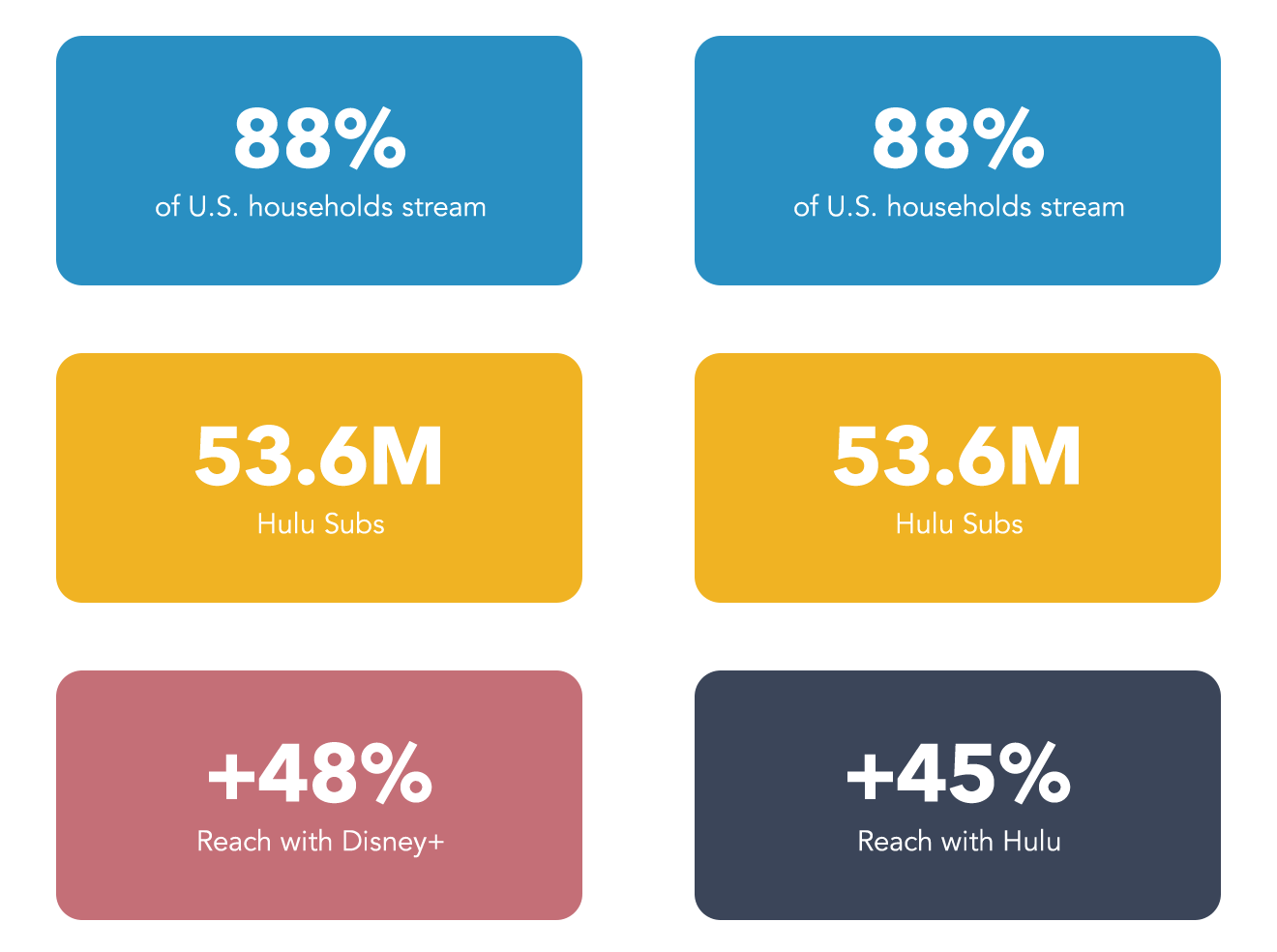
88% of U.S. households have at least one video streaming subscription

53% of households have at least four subscriptions!

As of 2025, 88% of U.S. households have at least one video streaming subscription, and 53% of households have at least four subscriptions! With 124.6 million subscribers worldwide, Disney+ holds a 13% market share, while Hulu has 53.6 million paid subscribers and an 11% market share. The majority (24.7%) of Disney+ users are 25-34 years old, and nearly 20% are aged 35-44. Hulu primarily targets to those aged 18-49, and 54% of users are under 42 years old.

With the addition of ESPN+ on Disney+, advertisers can also connect with fans as they watch their favorite teams or catch up on the latest sports highlights. While advertisers are unable to target solely on ESPN+ at this time, they can target audiences of specific sports (i.e. Fans of NFL or MLB) to get closer to a sports-targeted audience.

The CPMs (Cost Per Thousand Impressions) for both platforms are around $30 – 50, so adding both Disney+ and Hulu is not expected to increase the cost.

Disney+ delivers a 48% incremental audience lift to Hulu ads, while Hulu provides a 45% incremental audience lift to Disney+ ads! What’s more, nearly two-thirds of Disney+ and Hulu viewers are cord-cutters or cord-nevers who can’t be reached on linear TV.

The social media landscape is constantly evolving

2025 is projected to see a rise in AI-powered content, short-form videos, social commerce, micro-influencer marketing, and more. New social media channels and platforms may emerge as well. But two existing platforms are also testing some changes and possibly changing owners. Let’s take a look at what’s new in the world of social media apps.

Meta

ou may have recently noticed a new roll out on Meta (Facebook/Instagram/Threads). The Community Notes feature allows people to add more context to posts that are potentially misleading or confusing. Meta will be using Community Notes to draw on a broader range of voices to decide which content would benefit from additional information.

Beginning March 18th, Community Notes are now available for testing to eligible contributors. Meta is admitting eligible contributors from the waitlist in randomized batches to test the writing and rating system.

Contributors may select a public post by clicking on the “three dot” menu and choosing “write community note.” Most public content is eligible; to start, however, some types of content may not be supported, such as ads, Stories and Reels. Also, Community Notes cannot be added to content with limited audiences such as private posts, messages, Events, Dating, and Marketplace content.

More information can be found here: Community Notes: A New Way to Add Context to Posts | Transparency Center

TikTok

TikTok parent company ByteDance Ltd is once again racing toward a deadline to sell off its app or face a ban in the United States. To recap – on January 19th the Senate-approved “Protecting Americans from Foreign Adversary Controlled Applications Act” went into law. Among other elements, TikTok was required to be sold to a U.S.-owned entity. After his inauguration on January 20th, President Trump granted TikTok and ByteDance an additional 75 days to arrange a deal. That current deadline is April 4th.

According to Vice President J.D. Vance, a deal is likely getting close. Several interested buyers have publicly emerged, and the most recent reports indicate that Oracle is the leading contender to acquire the U.S. operations of TikTok. While questions remain about what ByteDance’s role will be in any potential deal, the current situation looks promising for TikTok to continue in the U.S.

More details on the potential deal can be found here: US Government Says TikTok Deal Is Getting Close | Social Media Today

master video ads in 2025

At Central States Marketing, we work to keep a clear outlook on how consumers are viewing video content as the year 2025 continues to take off. The number of choices for streaming and video placement can continue to be overwhelming when deciding where the best audiences are for your digital marketing efforts.

Sprout Social, a social media management platform, recently shared insights on streaming and video placement.

When considering the different types of videos, it’s essential to understand whether your marketing plan requires short—or long-form video content.

Short-form videos typically last less than 60 seconds and are better for engagement. However, if your company is focused on more detailed and informative content, you may want to consider long-form videos.

On average, people watch at least 16 seconds of a video in under 1 minute, that is 27% of the overall video. Compare that to a 60-minute video, which would get an average watch time of 16 minutes. The choice between the two is dependent on your planning strategies.

Short-form video will continue to be a strong tactic in 2025, with 30% of brands using it for their marketing. 44% of people say they prefer watching a short product or explainer video rather than a longer one.

youtube – streaming video & ‘shorts’

YouTube could be considered the first hub for viral video content. The platform helps harness the power of video and is the world’s second-largest search engine.

For many businesses, YouTube is an ideal platform for digital advertising because many people search for entertaining content daily. 40.9% of YouTube watch time is done on mobile devices.

Ideally, YouTube ads are between 15-30 seconds.

In 2020, YouTube introduced ‘Shorts’. It is a short-form section of the platform. YouTube Shorts focus on vertical videos that are less than 180 seconds and offer features for user interaction.

meta – stories & reels

By the end of 2024, 50% of the time spent on Facebook is used to view video content. Vertical videos that feature audio have a 35% higher click-through rate (CTR).

Meta video ads can range from 1-120 seconds. The most successful video ads range between 5-30 seconds on the platform.

Instagram and Facebook are both platforms under the Meta umbrella. When an ad is placed on Meta Ads Manager, it will optimize between these platforms unless manually set to do otherwise. Out of both platforms, Instagram is well-known for their Reels and Stories.

Reels is a section of the Instagram platform where viewers can swipe up and down to view short-form vertical view content. This is one of the most popular user functions for the app. Like TikTok, media consumers will scroll through organic content and be exposed to advertising consistently. Reels have a 22% higher chance of engaging users on Instagram compared to a standard video post.

Instagram Stories can be both images and videos. They are profile bubbles at the top of the home screen where users will click to view daily content from friends and people that they choose to follow. When tapping through Instagram Stories, an ad will be shown every 2-3 organic views.

tiktok – ‘for you page’ (fyp)

TikTok is purely made for video content. It’s one of the most popular social media platforms in the world. Despite the 14-hour ban in the United States in mid-January, the platform returned to active with an extension on the ban to give the parent company the opportunity to share the venture with a new, American business.

The engagement on TikTok is excellent for local businesses, ecommerce, and higher education to name a few. The largest audience group is Gen Z – being those between the ages of 18 to 24.

On average, 63% of TikTok videos that highlight a company’s key message in the first 3 seconds get a higher click-through rate. Users can discover new content by scrolling through what is known as a ‘For You Page’ or FYP. This is what makes TikTok customizable. They offer new content to users, if they view or interact with the video, that platform continues to learn about their unique interests.

On average, ads are shown on the FYP between 2-4 organic content swipes. TikTok video ads can be 5-60 seconds in length. Although, TikTok recommends 9-15 seconds to grab the attention of the viewer quickly.

snapchat – stories & spotlight

Snapchat is a place where both static image and video ads can have a place to thrive. The average Snapchat user spends over 30 minutes on Snapchat every day and opens the app more than 30 times.

On this platform, ads can be shown to users who are scrolling through stories, which are posts made by their friend connections. Another section of Snapchat is known as ‘Spotlight’ where short-form vertical content is quick to view and easy to thumb through.

64% of all ads on Snapchat are viewed with sound on. The addition of sound on both static images and videos is valuable to how the viewer received the ad. The platform recommends having the company name or key message shared within the first 2 seconds of a video to increase the chances of conversion.

Snapchat video ads can be 3-180 seconds long. It’s recommended to keep Snapchat Story ads between 5-15 seconds.